
How to Find a Business Mentor for Your Small Business

Author
Sam MonacFounder, Business Boomer | AI Operator & Growth Strategist
Sam Monac is a product and AI operator who builds automation systems, growth workflows, and practical AI tools for owner-operated businesses through Business Boomer and his broader portfolio.

Fact Checked By
S. VishwaSEO Specialist & Blog Writer, Business Boomer
S. Vishwa is an SEO specialist and blog writer focused on clear, useful content for digital marketing, fintech, and small-business automation topics.
Finding the right business mentor can accelerate your growth by years. Here is how to identify, approach, and build a lasting mentorship relationship.
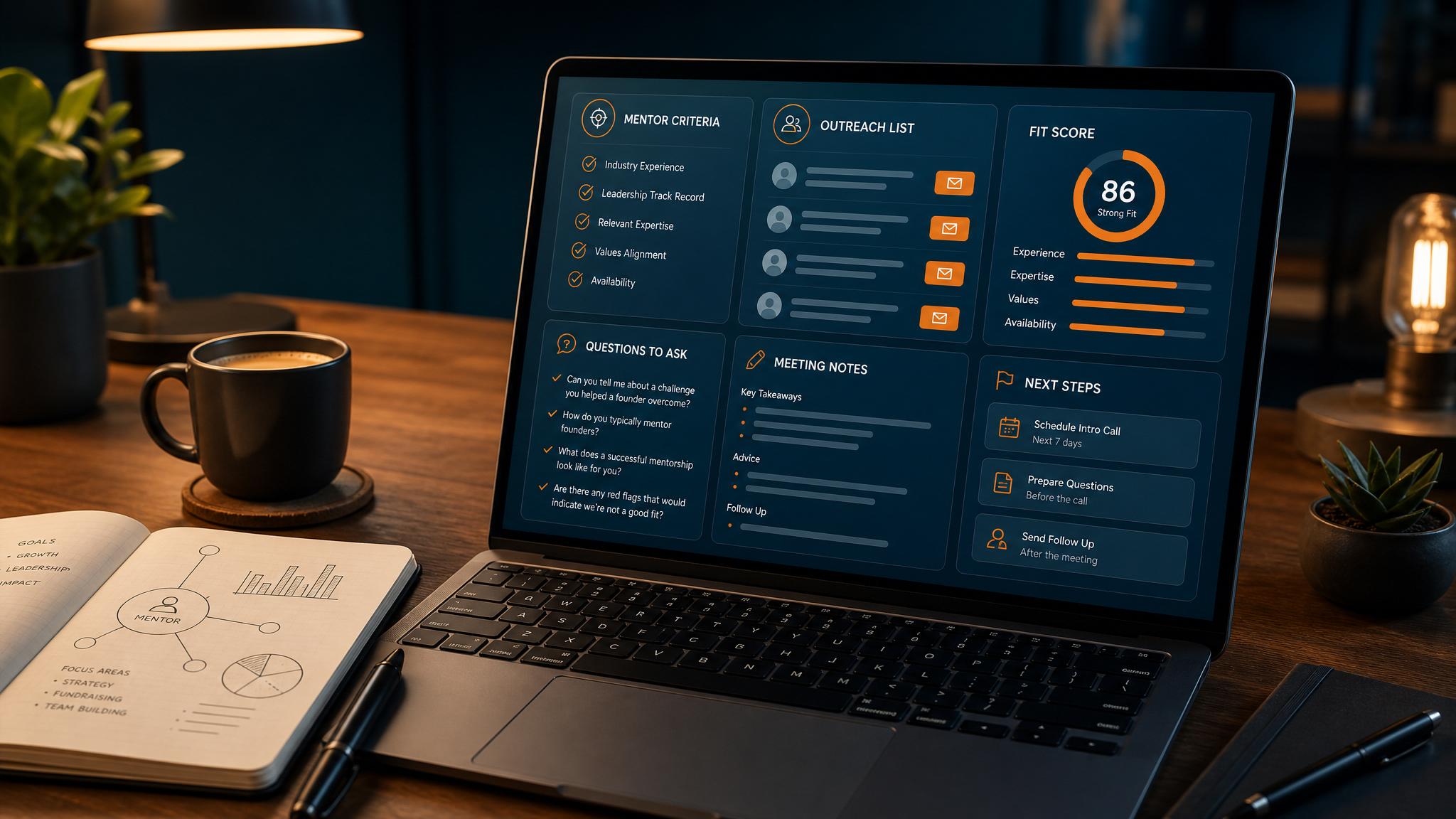
Finding a business mentor is one of the highest-leverage moves a small business owner can make. The right mentor compresses your learning curve, helps you avoid costly mistakes, and opens doors that would otherwise take years to reach.
Quick answer: Finding the right business mentor can accelerate your growth by years. Here is how to identify, approach, and build a lasting mentorship relationship.
What Is a Business Mentor?
A business mentor is an experienced professional who provides guidance, perspective, and accountability to an entrepreneur or business owner — typically at no cost, in exchange for the relationship itself. Unlike a business coach (who is usually paid and process-driven), a mentor shares their own hard-won experience and connects you with their network.
Good mentors have operated at the level you are trying to reach. They have made the mistakes. They know what actually works in your industry versus what sounds good in theory.
Related next step: use the AI automation services page if you want to turn this idea into a practical Business Boomer workflow.
Why a Mentor Matters for Small Business Owners
Running a small business is isolating. Most decisions happen without a sounding board. Most mistakes are made without warning.
A mentor changes that dynamic:
- Faster decision-making. A mentor who has faced your exact situation can shortcut months of trial and error.
- Expanded network. One warm introduction from a respected mentor is worth more than 100 cold outreach emails.
- Accountability. Knowing you have to report back to someone who has high standards raises your own.
- Emotional support. Business is harder than most people admit. Having someone in your corner who has been through it matters.
Studies consistently show that businesses with active mentorship relationships grow faster and survive longer than those without.
How to Find a Business Mentor
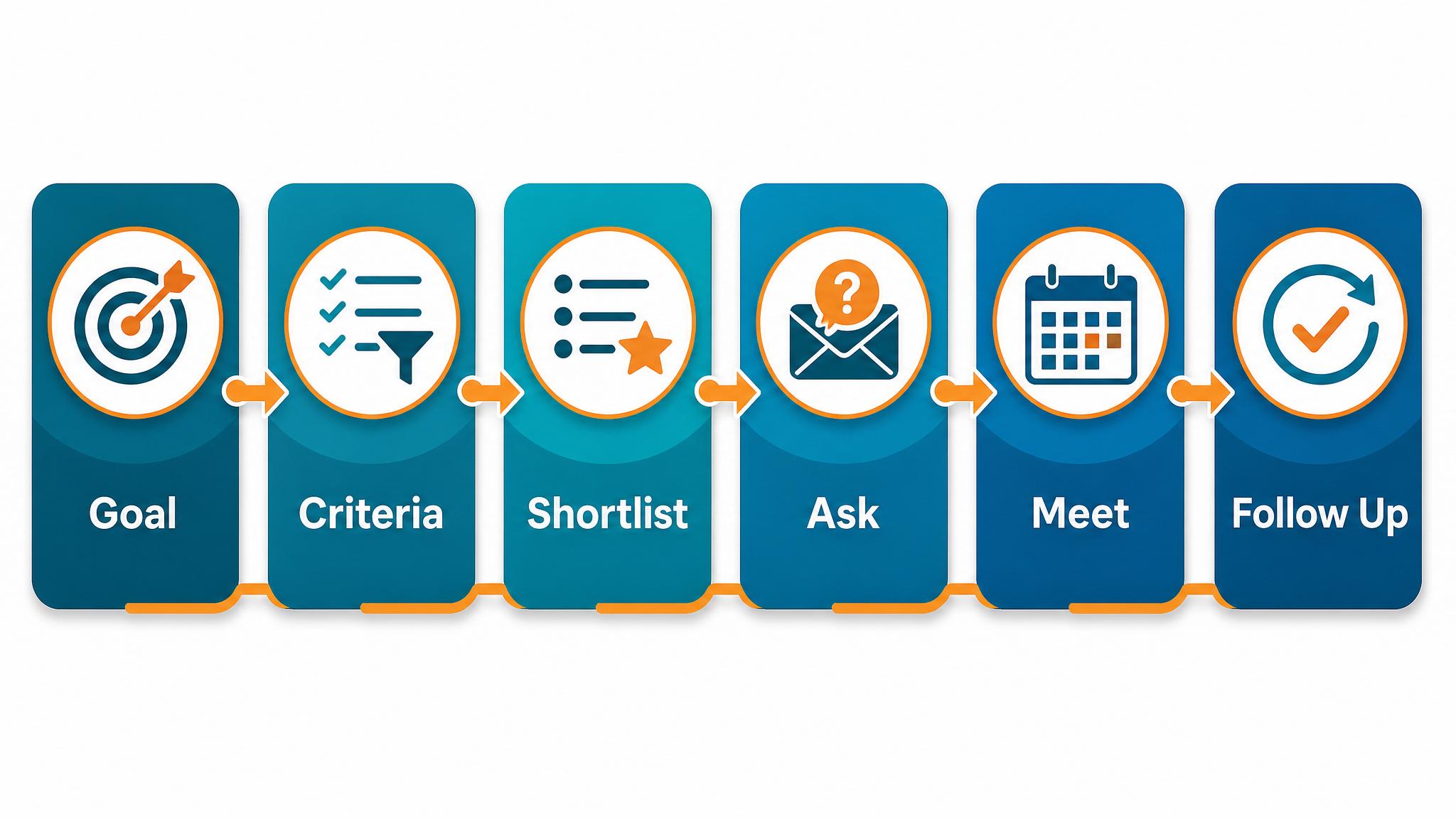
1. Define What You Need First
Before you start looking, get specific. Are you looking for someone with experience scaling a service business? Someone who has sold a company? Someone who has navigated a specific industry? Vague asks get vague results.
Related next step: use the AI automation consulting page if you want to turn this idea into a practical Business Boomer workflow.
Write down the three most important things you want help with in the next 12 months. That becomes your mentor brief.
2. Look in Your Existing Network
Your best mentor candidate is often closer than you think. Go through your LinkedIn connections, your local business associations, former employers, and customers. Who has built something you respect? Who has reached the level you are working toward?
A warm connection beats a cold approach every time.
3. Use Structured Mentorship Programs
Several organizations exist specifically to connect small business owners with mentors:
- SCORE (score.org) — Free mentorship from retired and active executives. Thousands of mentors across the US.
- SBA Mentorship Programs — The Small Business Administration runs regional mentorship and peer advisory programs.
- Industry Associations — Most industries have trade associations that run formal mentorship programs.
- Alumni Networks — If you went to college or a trade program, your alumni network is an underused resource.
These programs reduce the friction of cold outreach and often match you with someone who has specifically volunteered to help.
Related next step: use the automation guides page if you want to turn this idea into a practical Business Boomer workflow.
4. Make a Direct, Respectful Ask
Most people over-complicate the ask. Keep it simple and specific:
"I run a [type of business] and I have been following your work for [reason]. I would love to buy you coffee and ask your perspective on [specific challenge]. No ongoing commitment — just one conversation."
That is it. No pitch deck. No long email. One coffee, one specific question. From there, the relationship either grows naturally or it does not.
5. Build the Relationship Before You Need Something
The worst time to look for a mentor is when you are in crisis. The best time is before you need one. Attend events where experienced operators gather. Be useful to people before you ask anything of them. Contribute to communities where mentors are active.
Relationships built on mutual respect outlast any transactional arrangement.
Best Practices for Maintaining a Mentorship
Once you have a mentor, the relationship requires care:
- Respect their time. Come prepared. Have a specific agenda. Never waste a meeting.
- Follow up on advice. Report back on what you tried and what happened. Mentors stay engaged when they see their advice is taken seriously.
- Be honest about your situation. Sugar-coating problems prevents real help. Be direct.
- Express gratitude concretely. Not just "thanks for your time" — tell them specifically what changed because of their input.
- Give back. As you grow, mentor others. The cycle continues.
What this should look like in practice
A good setup should make the next action obvious. The owner or team should be able to open one place and see what needs attention, what is waiting, and what can be automated.
Simple implementation checklist
| Step | What to check |
|---|---|
| 1 | Find the repetitive task or lead leak |
| 2 | Decide what information must be captured |
| 3 | Create a simple owner, stage, and next-step rule |
| 4 | Automate the reminder, handoff, or record creation |
| 5 | Review the workflow weekly and tighten what breaks |

Business Boomer rule: If the workflow does not create a clearer owner, next step, or follow-up path, it is not automation yet. It is just another tool.
Next step
Find the workflow worth fixing first.
Use the Free 30-Minute AI Consultation to map where leads, invoices, notes, or follow-ups are slipping and choose the smallest useful system.
Keep building the system
Recommended next Business Boomer guides
These links are selected by topic and search intent so this guide connects to the most relevant service pages, industry pages, and supporting blog posts.
Service and setup pages
Use these when you are ready to turn the idea into an implementation path.
Industry-specific pages
See how the same workflow changes for specific business types.
Related blog posts
Read the connected guides that support this topic cluster.
Related AI automation guides
Keep going with the connected Business Boomer guides in this automation cluster.
AI automation services for local small business
The main Business Boomer service page for lead response, missed-call follow-up, invoice reminders, reviews, CRM updates, scheduling, and OpenClaw setup.
AI automation for local service businesses
Practical lead, scheduling, review, CRM, invoice, and admin automation for plumbers, HVAC companies, roofers, landscapers, cleaners, contractors, and other local operators.
AI assistant for local business
Owner-controlled AI assistants that help local businesses handle missed leads, scheduling handoffs, FAQs, reviews, CRM updates, and follow-up.
AI website for service businesses
Clearer service pages, lead paths, FAQs, reviews, and AI-assisted follow-up for service businesses.
Frequently Asked Questions
FAQ
Quick answers about this guide and how to put the idea into practice.
What is the main takeaway from How to Find a Business Mentor for Your Small Business?
Finding the right business mentor can accelerate your growth by years. Here is how to identify, approach, and build a lasting mentorship relationship.
How does How to Find a Business Mentor for Your Small Business help a small business?
How to Find a Business Mentor for Your Small Business can help a small business reduce manual work, improve follow-up, organize repetitive tasks, and create a clearer operating process when it is tied to a real bottleneck.
Can Business Boomer help implement How to Find a Business Mentor for Your Small Business?
Yes. Business Boomer can help turn the idea into a practical workflow, page, checklist, or automation system depending on what the business needs first.
Find the workflow worth fixing first.
Use the Free 30-Minute AI Consultation to map where leads, invoices, notes, or follow-ups are slipping and choose the smallest useful system.
Book a Free 30-Minute AI Consultation