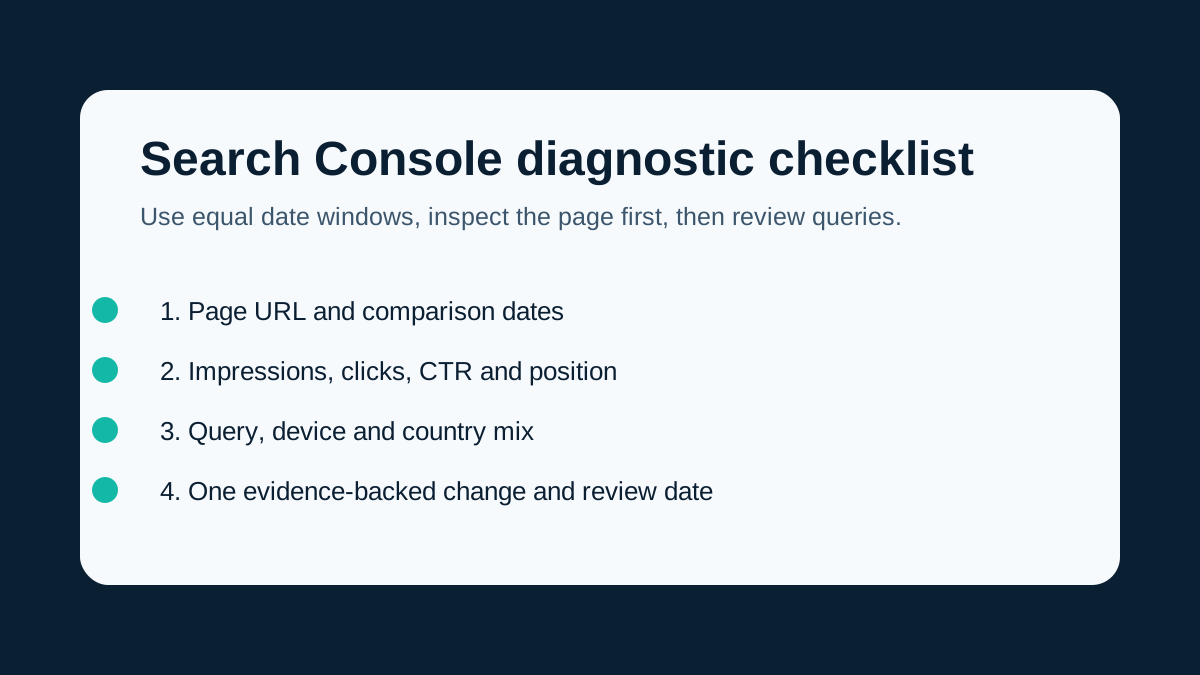
When a blog page earns impressions but few clicks, start with the exact page, compare equal complete date windows, inspect its queries and audience mix, then make one evidence-backed change instead of guessing.
One recorded Space exposed the real opportunity: Wave Wars already creates the raw material. The missing piece is a review-based system that turns each useful conversation into owned content.
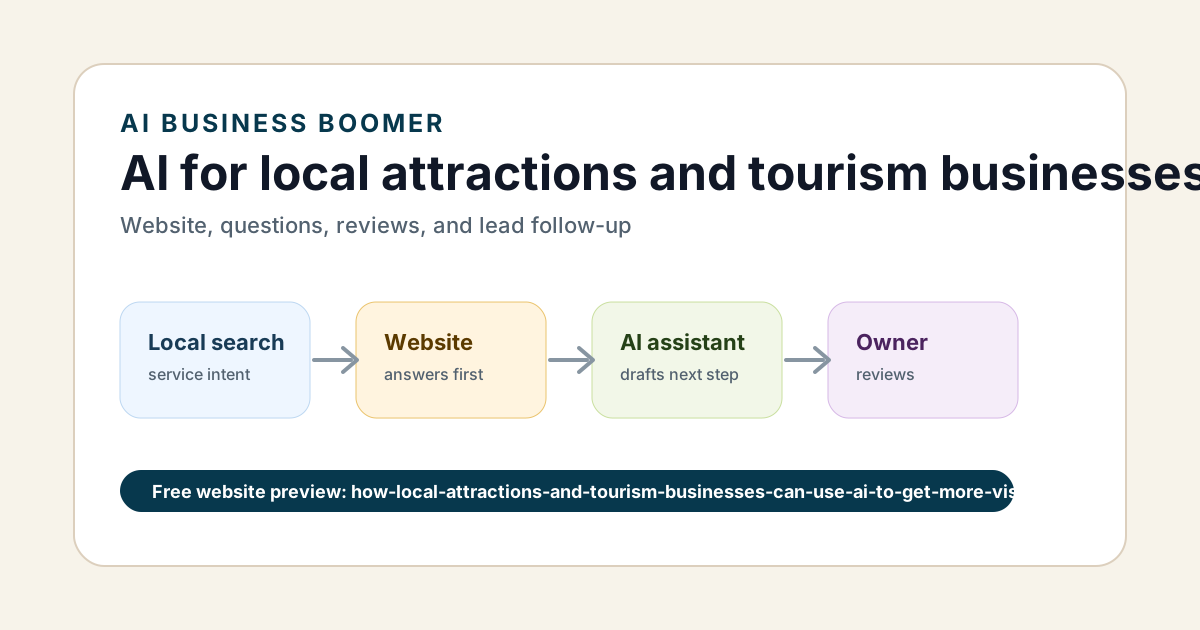
AI for local attractions and tourism businesses works best when it helps a local local attraction or tourism business respond faster, explain services clearly, manage reviews, and follow up with leads without replacing owner judgment.
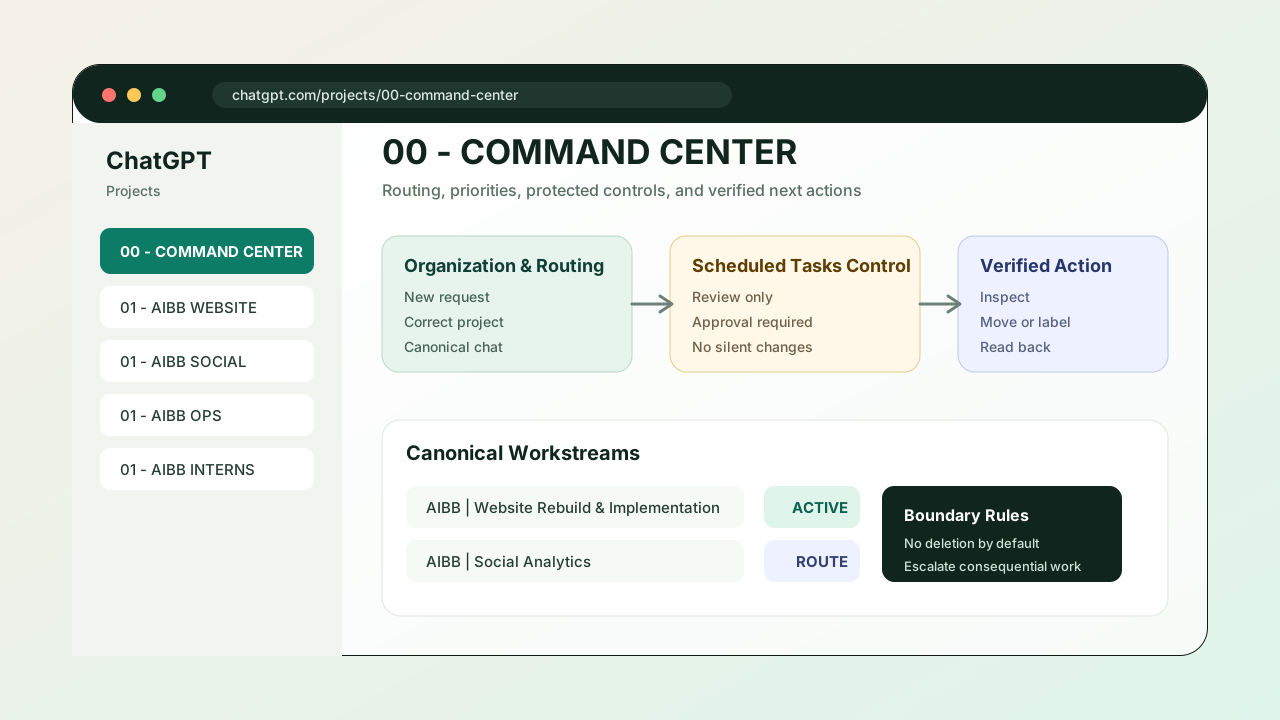
My ChatGPT and Codex Desktop system uses one conversational front door, a local WorkOS, project command centers, focused specialists, evidence, and approval gates.
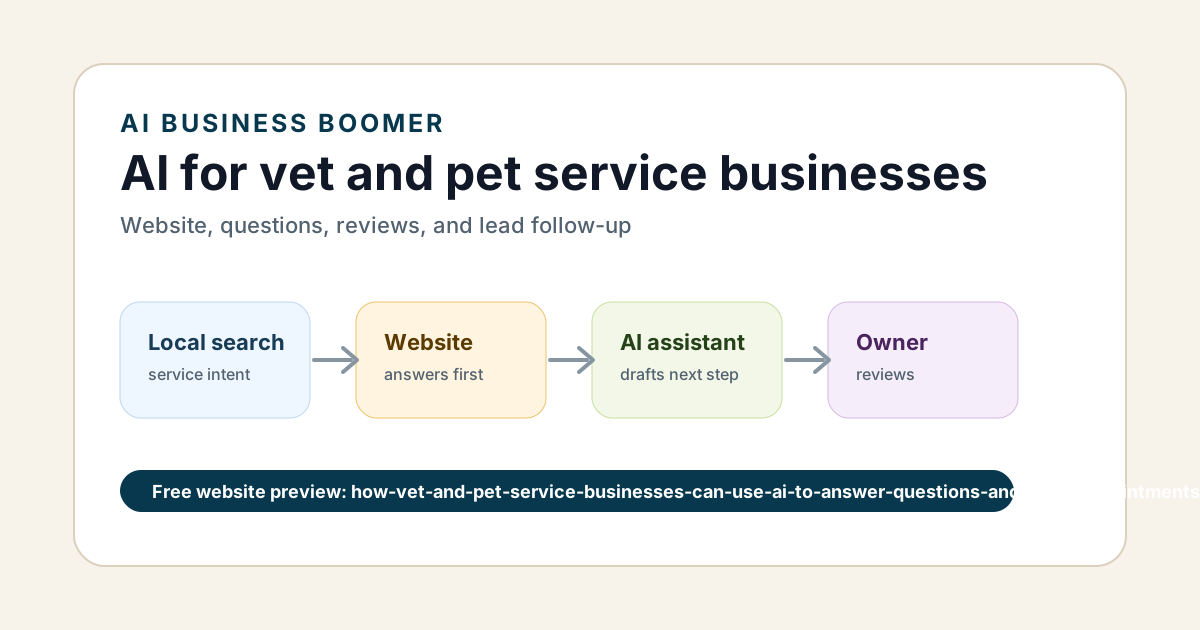
AI for vet and pet service businesses works best when it helps a local vet or pet service business respond faster, explain services clearly, manage reviews, and follow up with leads without replacing owner judgment.
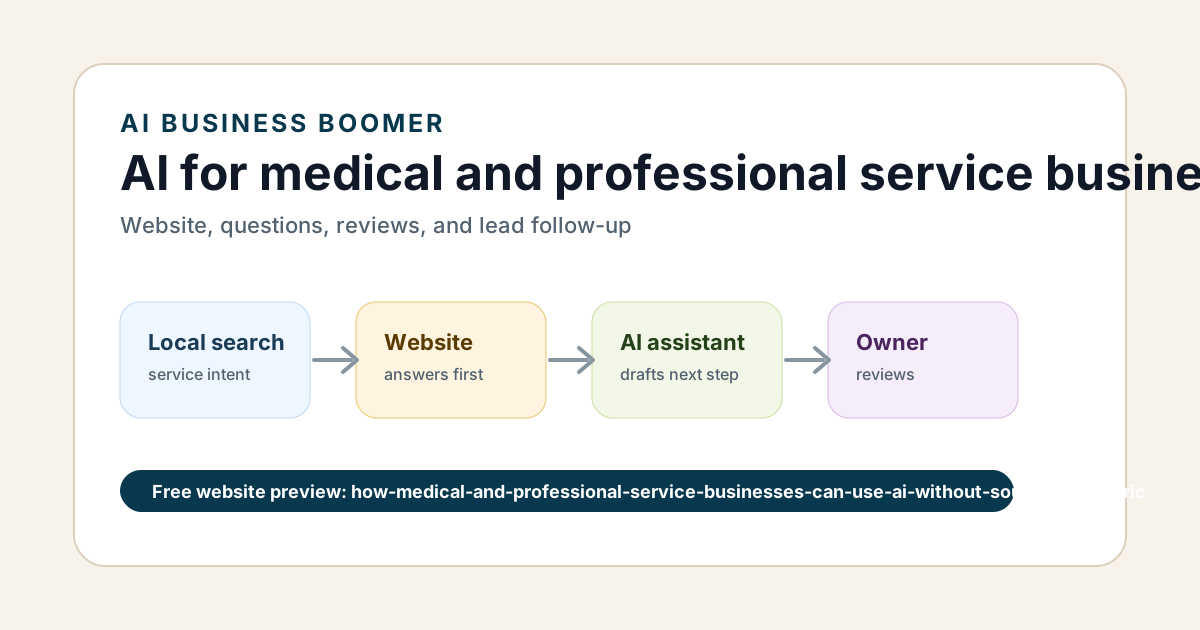
AI for medical and professional service businesses works best when it helps a local medical or professional service business respond faster, explain services clearly, manage reviews, and follow up with leads without replacing owner judgment.
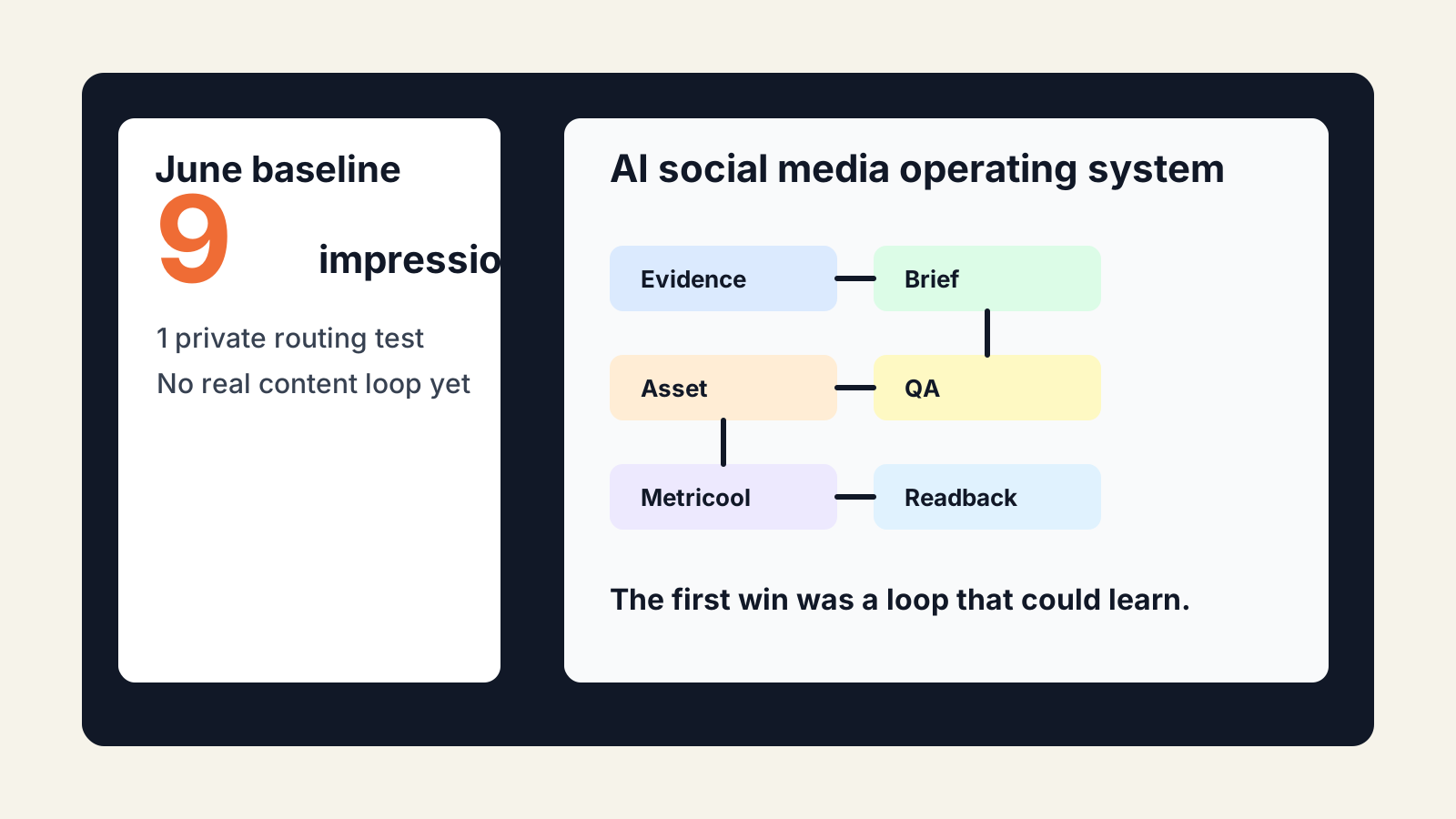
AI Business Boomer started with nine social media impressions, then built a QA-gated Metricool publishing and readback loop instead of dumping generic AI posts into a scheduler.
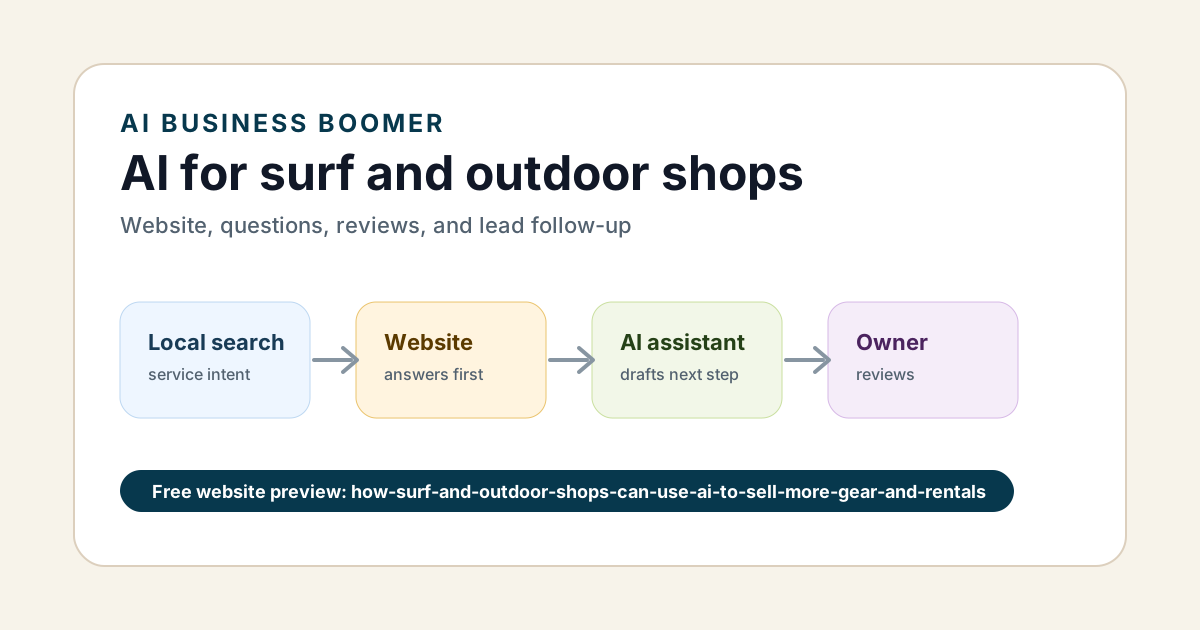
AI for surf and outdoor shops works best when it helps a local surf or outdoor shop respond faster, explain services clearly, manage reviews, and follow up with leads without replacing owner judgment.
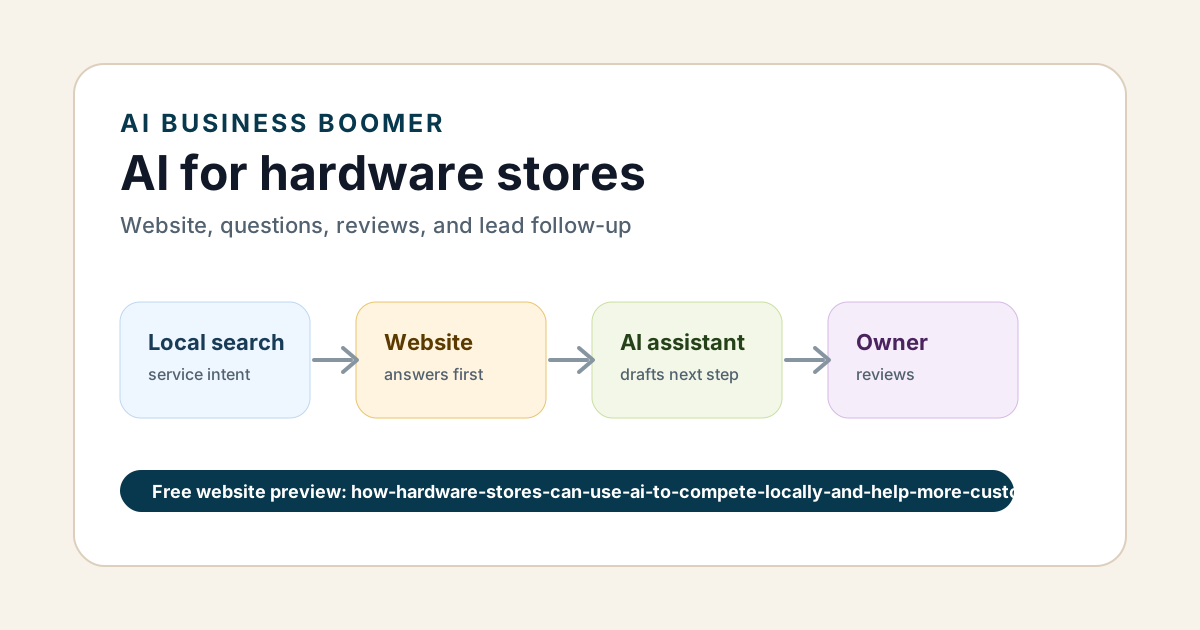
AI for hardware stores works best when it helps a local hardware store respond faster, explain services clearly, manage reviews, and follow up with leads without replacing owner judgment.
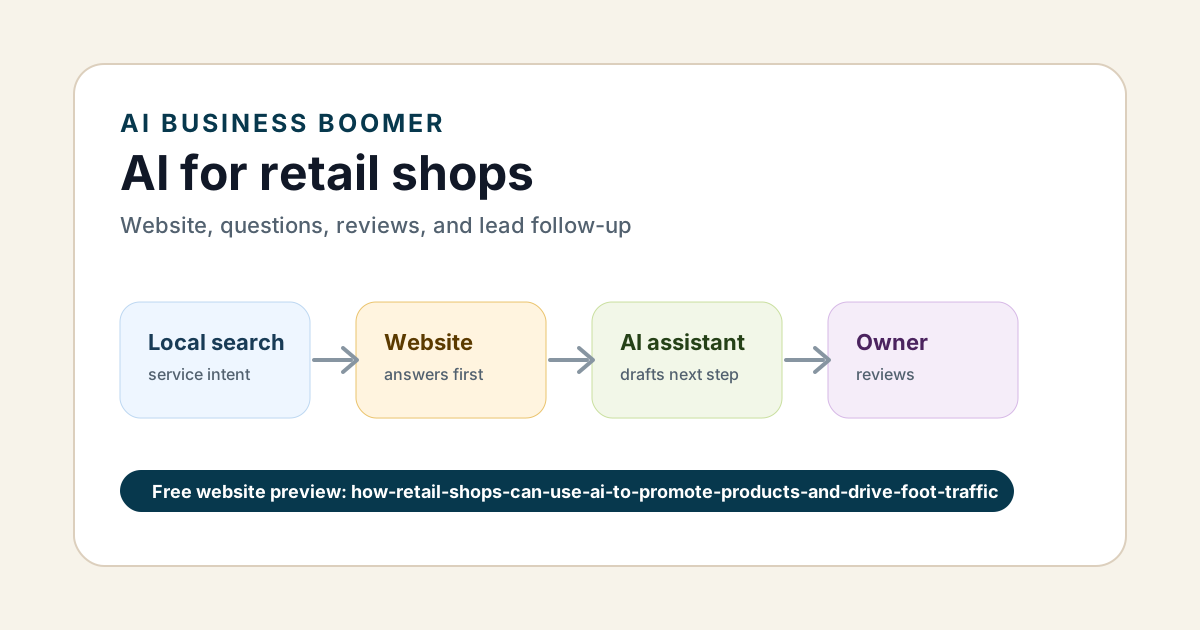
AI for retail shops works best when it helps a local retail shop respond faster, explain services clearly, manage reviews, and follow up with leads without replacing owner judgment.
Behind the guides: our publishing process and search data
Inside our publishing process
How we’re building a more useful blog with AI.
See our actual search growth, the pages behind it, and the structure we use to research, refresh, review and publish. Then adapt our skills and automation prompts to your own business.
Same blog cohort, compared per day. September covers 14 days; July and August each cover 31.
Average daily impressions · scale 0–500
July126.7
August169.5
September 1–14partial461.7
July → August: +33.7% impressions over two full months. September’s observed daily rate is 2.72× August’s, not a full-month result or forecast.
Source: Search Console daily table, read September 16, 2026. Web search; pages containing aibusinessboomer.io/blog/. Dates use Pacific Time. Filtered data can be partial. These are search appearances and clicks, not ChatGPT referrals, leads or revenue.
Questions about the AI automation guides and how to use them
What topics does the Business Boomer blog cover?+
The blog covers AI automation, small-business workflows, invoice automation, lead follow-up, industry use cases, OpenClaw setup, and practical ways business owners can use AI.
How should I use these AI automation guides?+
Use each guide to identify one process to improve, then continue to the relevant service, checklist, calculator, or consultation if you want help implementing it.
Are these articles for technical teams or business owners?+
They are written mainly for business owners and operators who care about saving time, improving follow-up, and building practical systems rather than studying AI theory.