AI Intake Automation for Law Firms
A practical look at how small law firms can use AI intake automation to respond faster, reduce dropped leads, and keep staff workflows cleaner.
Read the guidePractical field guides
Clear explanations for local businesses choosing how to improve calls, honest review follow-up, invoicing, lead response, and daily operations.
Start here
Begin with the customer or operating moment you need to make more dependable.
See how Google Reputation Management and the AI Voice Receptionist work, what stays owner-reviewed, and what each service costs.
Reviews & trustUnderstand the practical follow-up, owner review, and service-recovery steps behind a dependable review process.
Calls & leadsLearn where response speed matters and how a small team can keep good inquiries from sitting unanswered.
SchedulingConnect booking rules, intake questions, reminders, and the human handoff after an appointment.
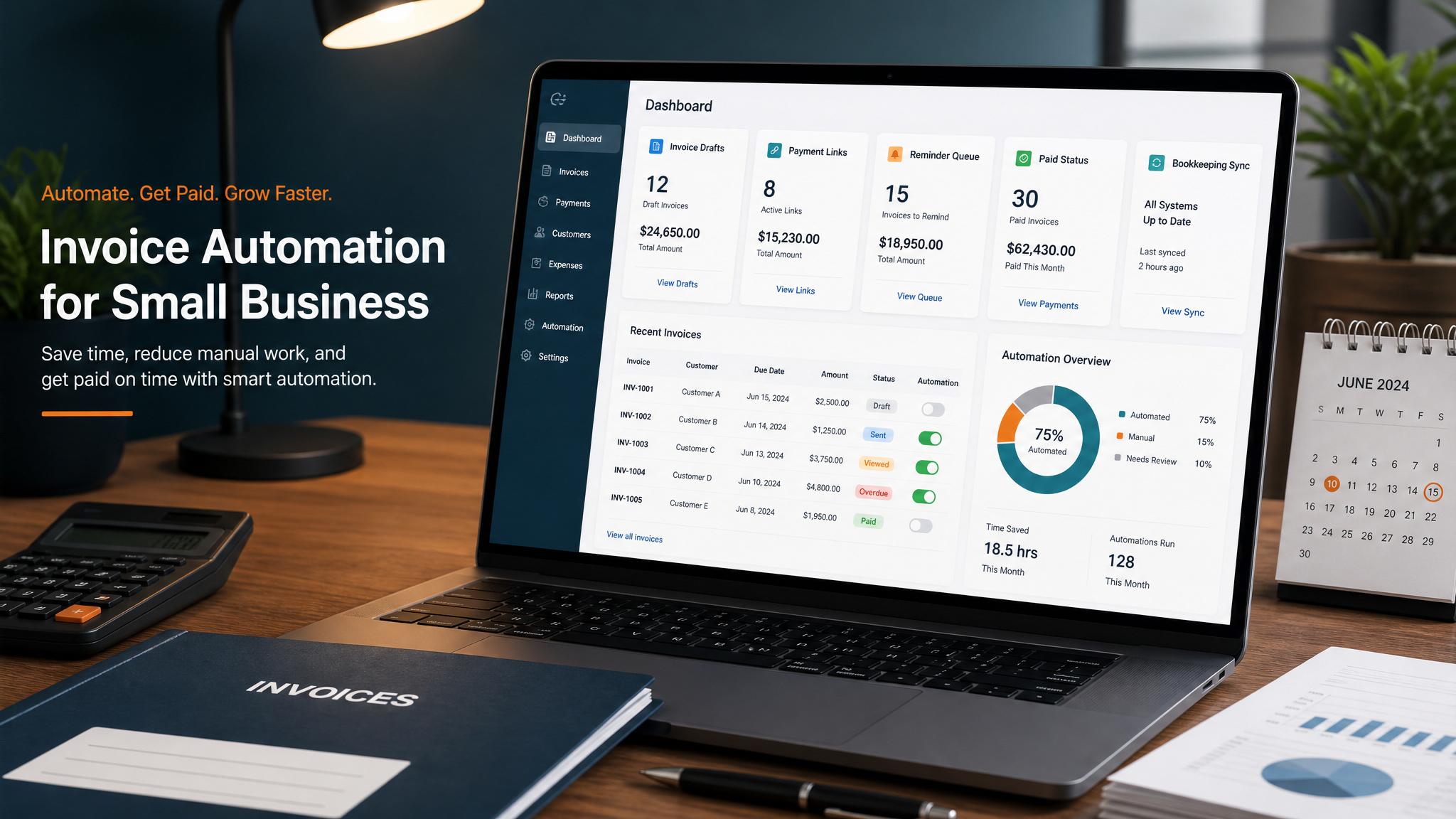
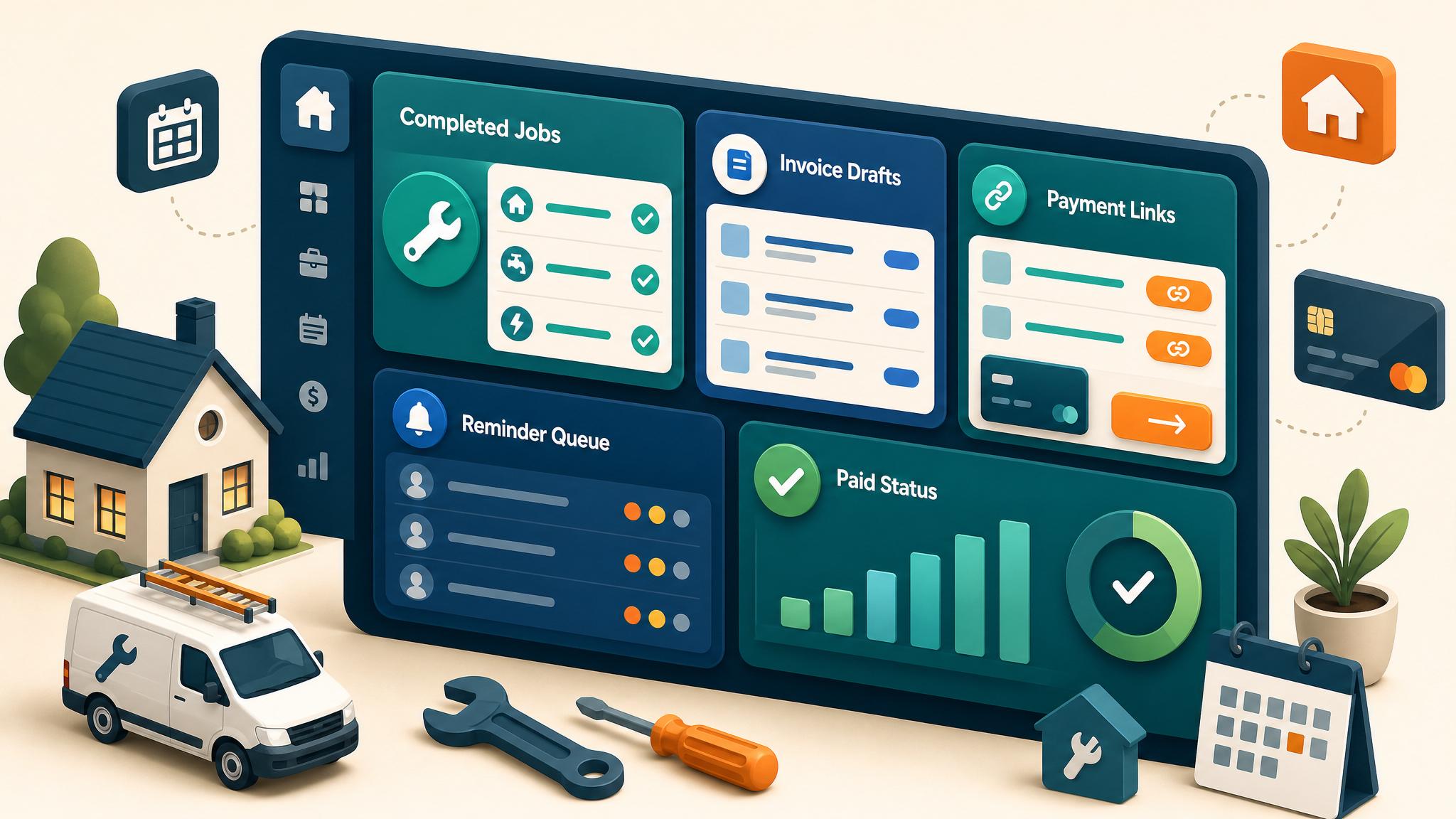
Billing systemsBuild a customer-friendly reminder flow around due dates, payment links, and human follow-up tasks.
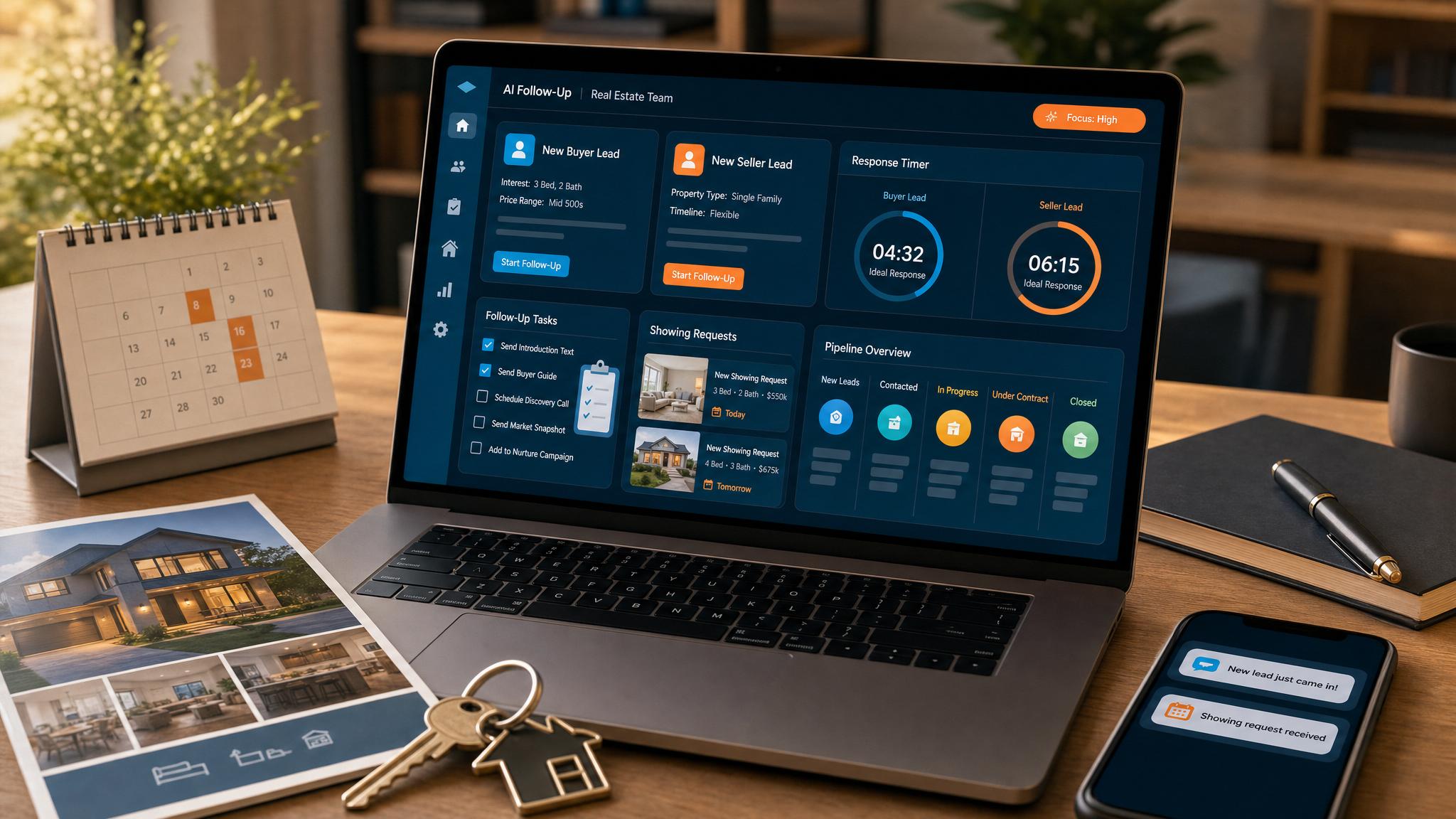
Lead follow-upOrganize CRM stages, reminders, email, text, and the next action a person still needs to take.
Intake, client follow-up, document workflow support, and admin cleanup for small firms.
Lead routing, voice-note capture, follow-up systems, and website inquiry flow.
Missed-call capture, estimate prep, scheduling, seasonal follow-up, and reviews.
Field notes, estimate follow-up, scheduling, internal handoffs, and admin workflows.
Search by question or choose the kind of customer moment you want to improve.
Showing 12 of 154 articles.
Page 12 of 13

A practical look at how small law firms can use AI intake automation to respond faster, reduce dropped leads, and keep staff workflows cleaner.
Read the guide
QuickBooks automatic invoicing works best when recurring invoices, payment links, reminders, and outside job triggers follow a clear review rule.
Read the guide
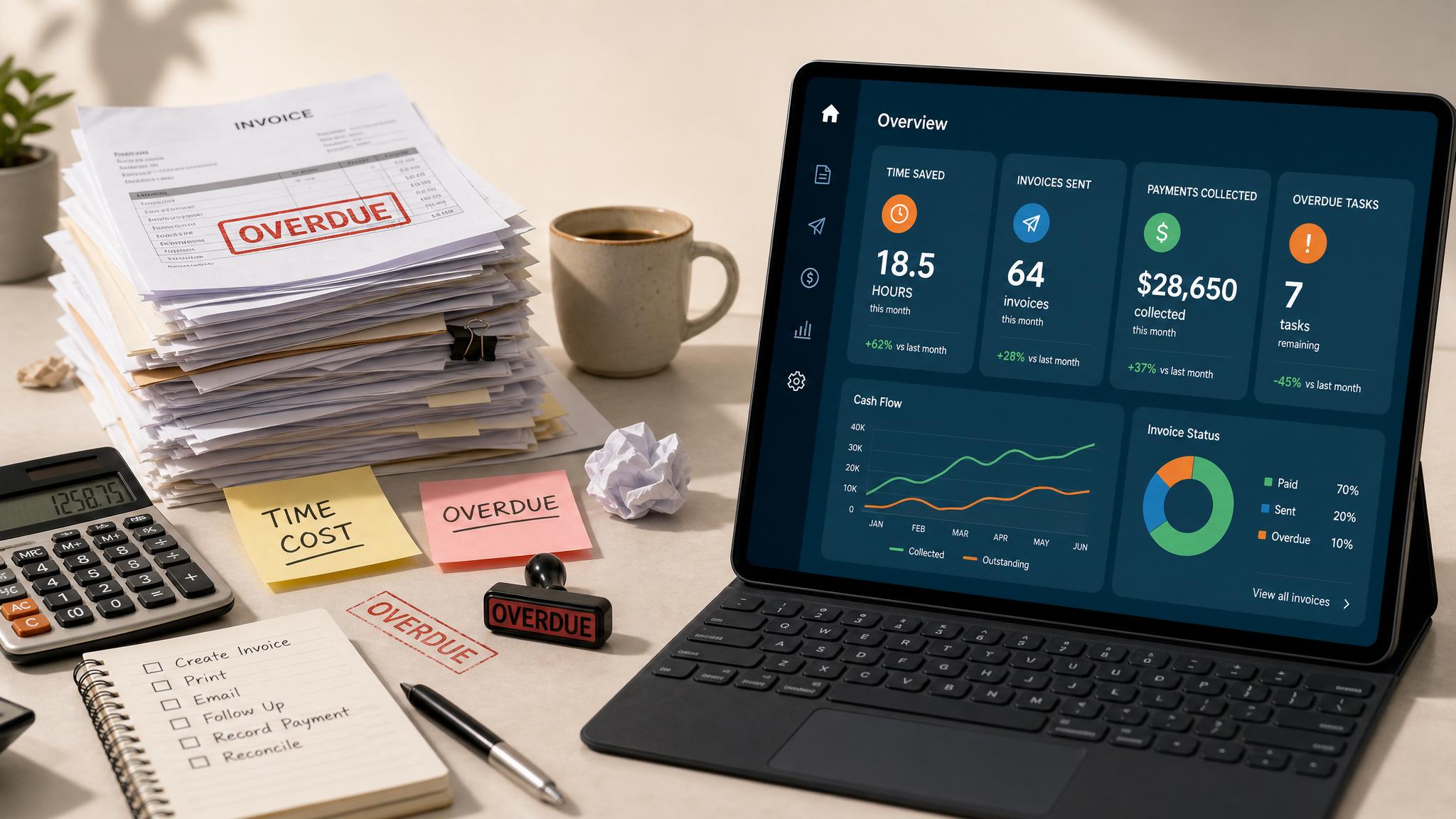
Automated invoice reminders help small businesses get paid faster when the messages are timely, specific, and connected to a real follow-up process.
Read the guide
Business automation for small business works best when you start with one bottleneck, install one useful system, and expand from there.
Read the guide
The best invoice automation tool depends on the billing trigger, payment method, reminder rules, accounting system, and owner review step.
Read the guide
Appointment scheduling automation helps small businesses book qualified appointments faster, reduce back-and-forth, and prevent no-shows.
Read the guide
Lead qualification helps small businesses focus on the prospects most likely to buy, fit the offer, and move forward soon.
Read the guide
Lead response automation helps small businesses reply to new inquiries faster, route leads correctly, and reduce lost sales from slow follow-up.
Read the guide
See where AI actually helps salons and beauty businesses, especially around reminders, rebooking, follow-up, and reducing manual communication.
Read the guide
Practical AI for local service businesses works best when you start with the bottleneck that is already wasting time or losing revenue.
Read the guide

Small businesses can reduce appointment no shows by confirming intent early, sending reminders, and making it easy for customers to reschedule instead of disappearing.
Read the guideReading about automation is useful. Getting the right system installed is better.
Book a Free 30-Minute AI ConsultationFrequently Asked Questions
Questions about the AI automation guides and how to use them
The blog covers AI automation, small-business workflows, invoice automation, lead follow-up, industry use cases, OpenClaw setup, and practical ways business owners can use AI.
Use each guide to identify one process to improve, then continue to the relevant service, checklist, calculator, or consultation if you want help implementing it.
They are written mainly for business owners and operators who care about saving time, improving follow-up, and building practical systems rather than studying AI theory.