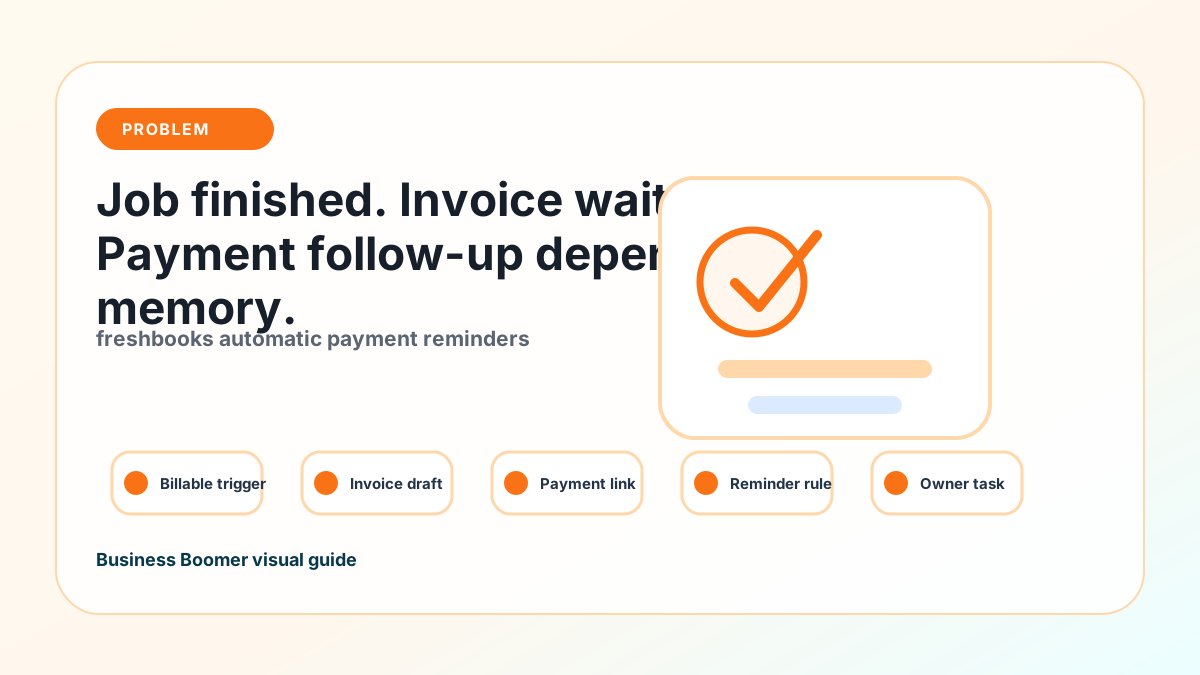
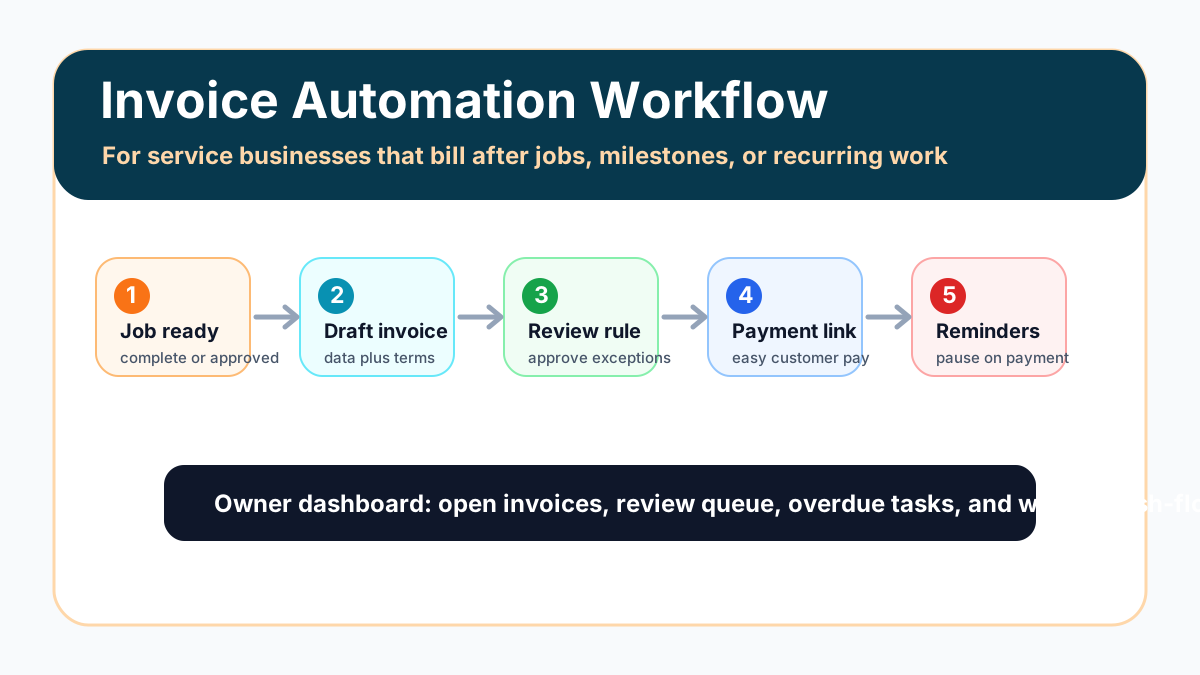
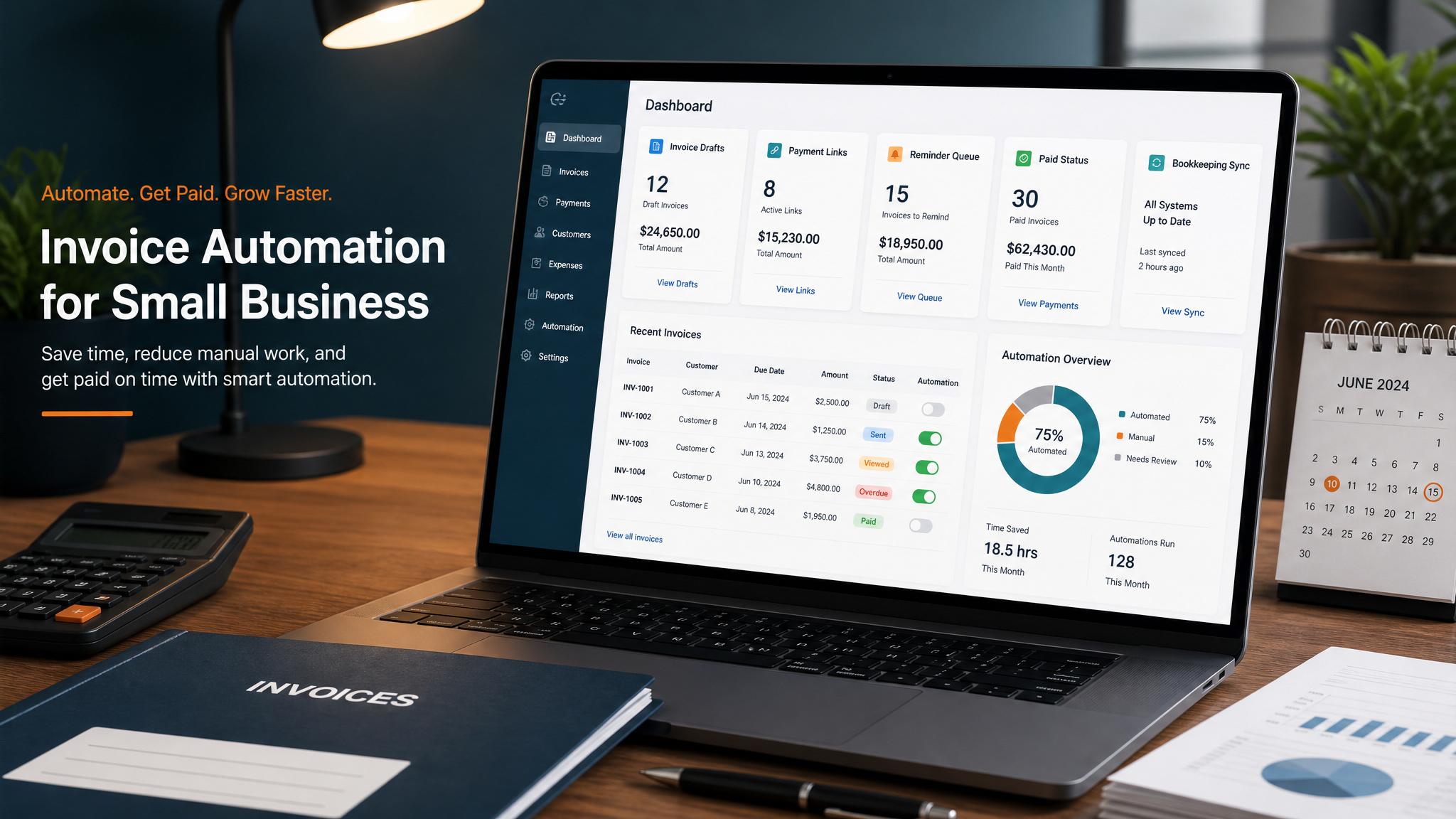
The best invoice automation workflow for a service business starts when work is ready to bill, creates or drafts the invoice, adds a payment link, sends polite reminders, stops when paid, and flags exceptions for a human.
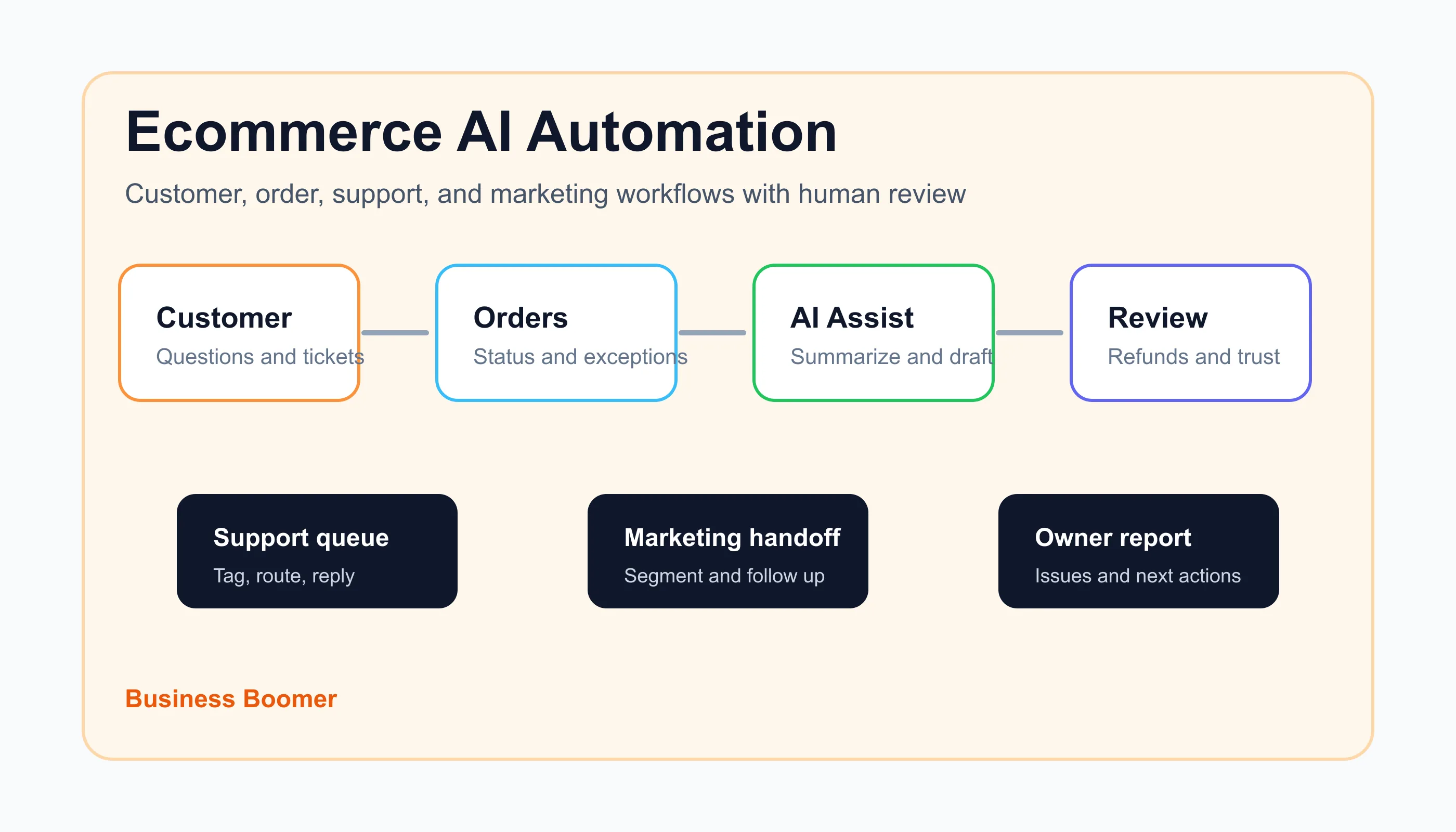
AI automation for ecommerce helps small brands answer repeat questions, manage order exceptions, summarize customer issues, personalize follow-up, and keep marketing connected to real customer behavior.
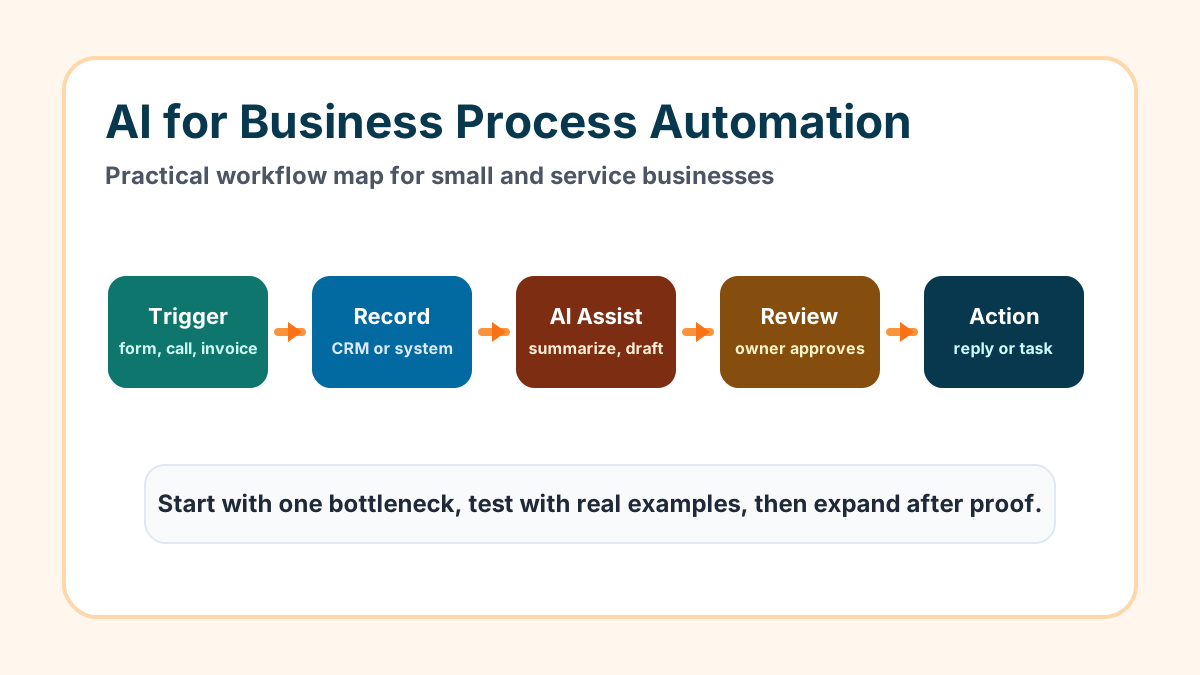
AI for business process automation helps small businesses improve repeatable workflows when it is tied to clear triggers, clean data, useful AI steps, and human review.
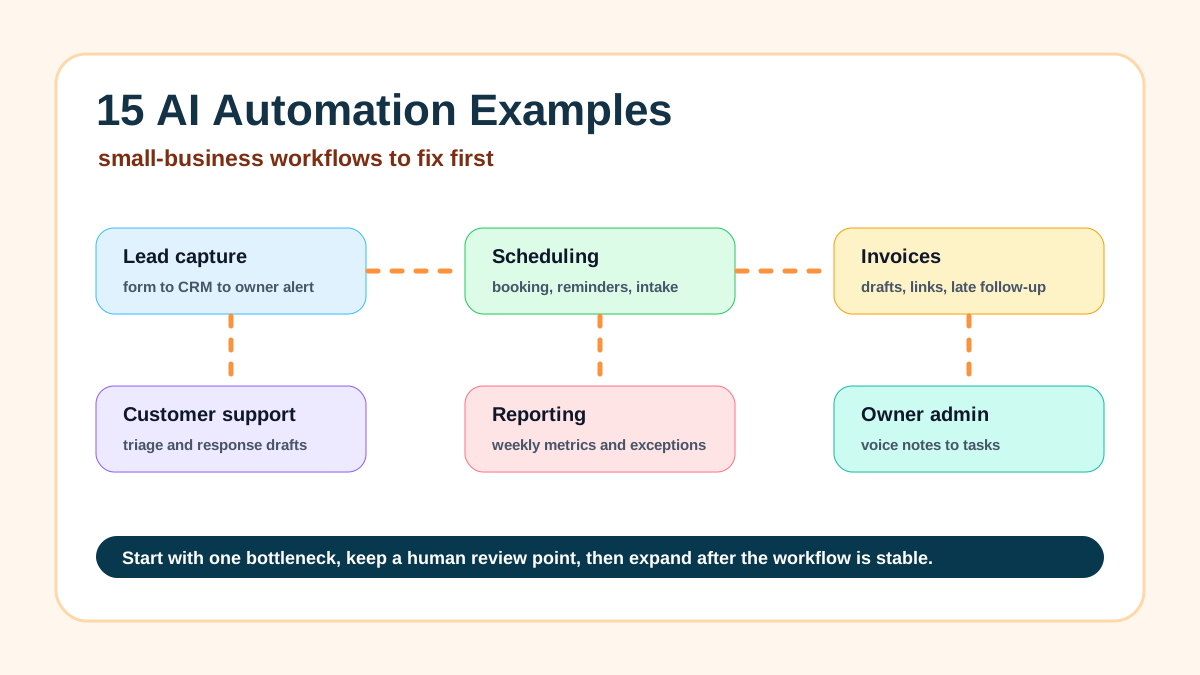
The best AI automation examples for small businesses are practical workflows: lead follow-up, appointment scheduling, invoice reminders, intake triage, customer updates, reporting, and owner admin capture.
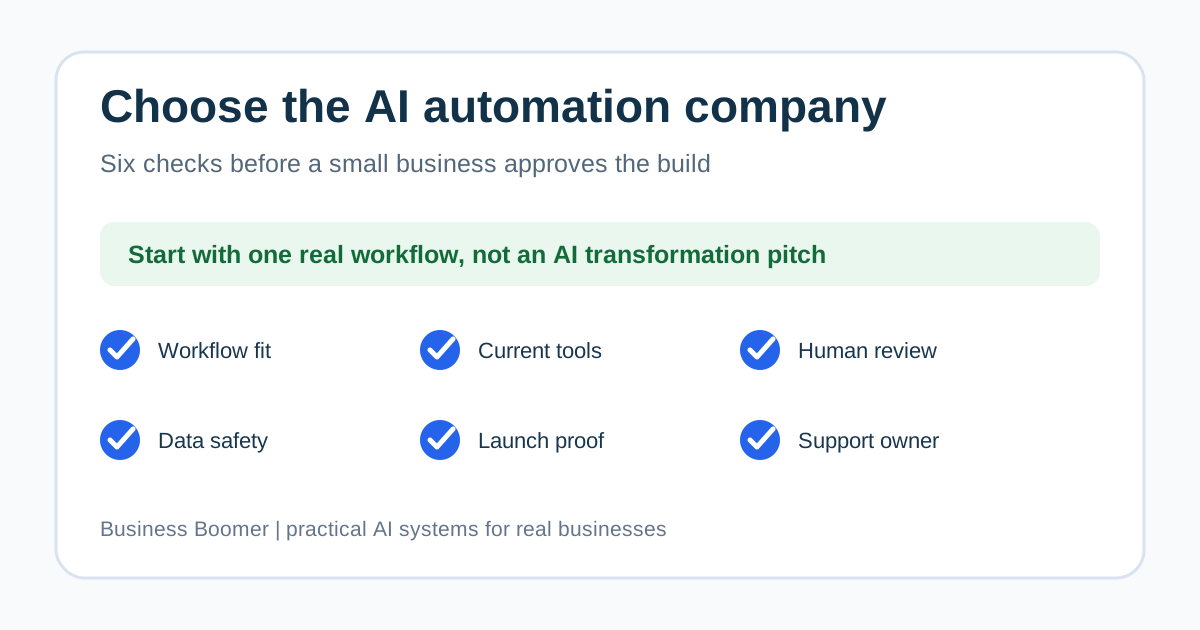
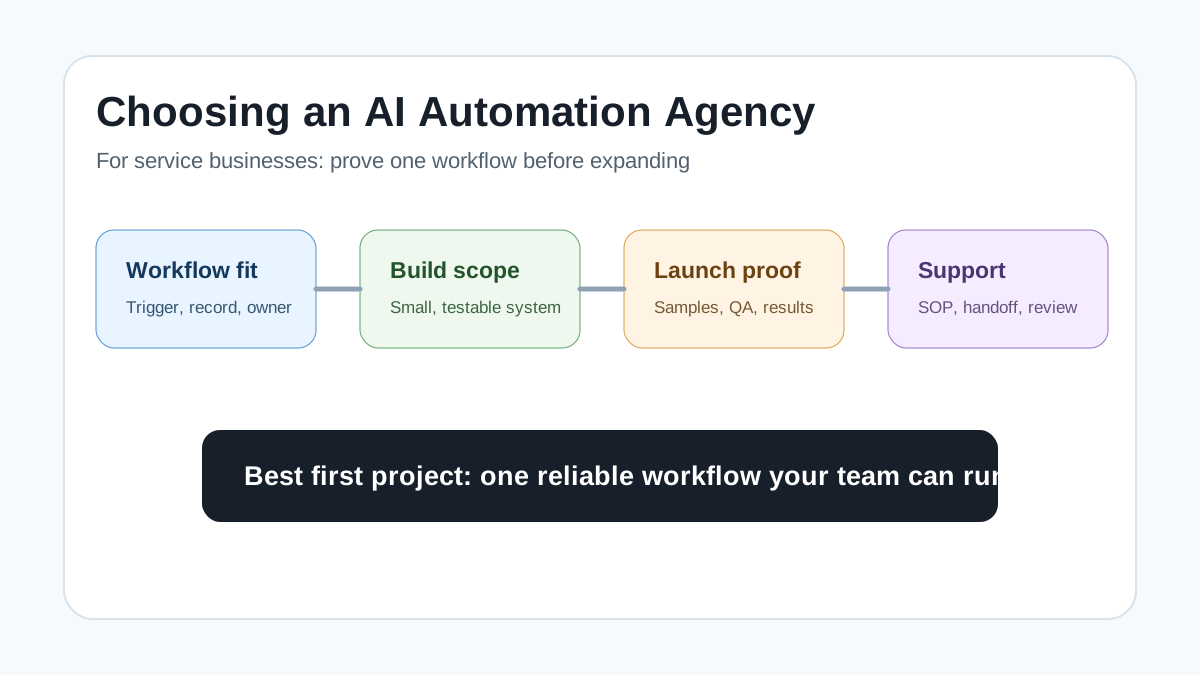
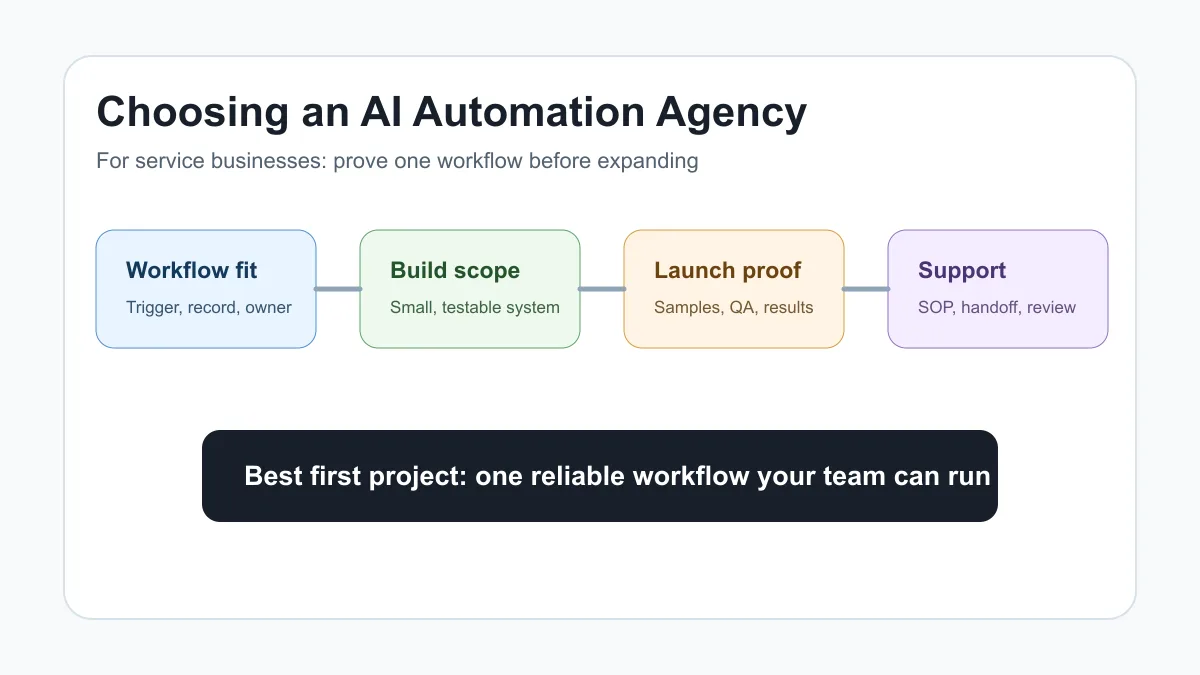
A good AI automation agency for a service business should map one real bottleneck, build a working workflow, document the handoff, and leave the owner with a system the team can run.
Behind the guides: our publishing process and search data
Inside our publishing process
How we’re building a more useful blog with AI.
See our actual search growth, the pages behind it, and the structure we use to research, refresh, review and publish. Then adapt our skills and automation prompts to your own business.
Same blog cohort, compared per day. September covers 14 days; July and August each cover 31.
Average daily impressions · scale 0–500
July126.7
August169.5
September 1–14partial461.7
July → August: +33.7% impressions over two full months. September’s observed daily rate is 2.72× August’s, not a full-month result or forecast.
Source: Search Console daily table, read September 16, 2026. Web search; pages containing aibusinessboomer.io/blog/. Dates use Pacific Time. Filtered data can be partial. These are search appearances and clicks, not ChatGPT referrals, leads or revenue.
Questions about the AI automation guides and how to use them
What topics does the Business Boomer blog cover?+
The blog covers AI automation, small-business workflows, invoice automation, lead follow-up, industry use cases, OpenClaw setup, and practical ways business owners can use AI.
How should I use these AI automation guides?+
Use each guide to identify one process to improve, then continue to the relevant service, checklist, calculator, or consultation if you want help implementing it.
Are these articles for technical teams or business owners?+
They are written mainly for business owners and operators who care about saving time, improving follow-up, and building practical systems rather than studying AI theory.